Compare Local Contractors for Plumbing Relocation Projects
Compare local contractors for plumbing relocation to define scope, verify experience, and set clear expectations for a successful project.
Plumbing relocation projects typically involve rerouting or repositioning existing water supply lines, drain pipes, and related fixtures within a property. This work can be necessary during renovations, expansions, or structural modifications, and often includes tasks such as disconnecting current plumbing systems, installing new piping routes, and ensuring proper connections to existing fixtures. Proper planning and execution are essential to prevent leaks, ensure code compliance, and maintain the functionality of the plumbing system after the work is completed. Understanding the scope of plumbing relocation helps property owners prepare for the complexity of the project and communicate effectively with service providers.
Defining the scope of work is a critical step when working with contractors for plumbing relocation. Clear, detailed descriptions of what needs to be moved, the locations involved, and any specific requirements can help prevent misunderstandings and ensure the project meets expectations. Property owners should verify the experience of potential contractors in similar projects, ask about their approach to planning and execution, and request written documentation of the agreed-upon scope. Having a comprehensive outline of the work in writing fosters transparency and provides a reference point should questions or issues arise during the project.
When comparing local contractors for plumbing relocation, property owners should consider factors such as experience with similar projects, reputation within the community, and the clarity of their proposals. It is helpful to review their previous work, inquire about their process for defining project scope, and confirm that they understand the specific needs of the property. Asking for detailed descriptions of how they plan to approach the work and what steps are involved can aid in making an informed decision. By evaluating these aspects, property owners can choose a service provider capable of delivering the work to their expectations and requirements.
Compare local contractors by outlining project priorities, verifying experience, and setting clear expectations in writing.
- Compare Contractor Experience - Review the backgrounds and project history of local contractors to ensure they have relevant experience.
- Define Project Scope Clearly - Outline specific tasks and expectations in writing to prevent misunderstandings.
- Verify Credentials and References - Check references and verify past work to assess the reliability of local service providers.
- Request Written Agreements - Ensure all project details, responsibilities, and expectations are documented before work begins.

Clearly describe your plumbing relocation project to help compare contractors, define scope, verify experience, and set expectations in writing.
- Assess experience with plumbing relocations to ensure familiarity with similar projects. - Verify that scope of work is clearly defined and documented in writing before work begins.
- Compare multiple local contractors to evaluate their expertise and approach to plumbing relocation projects. - Confirm that the proposed plan complies with local building codes and regulations.
- Check references or reviews to gauge the reliability and quality of previous plumbing relocation work. - Ensure that the contractor provides detailed descriptions of the work to be performed and materials to be used.
- Discuss project expectations and requirements thoroughly to prevent misunderstandings during the work process. - Confirm that the contractor has appropriate insurance coverage to protect against potential damages or issues.
- Request written agreements that specify the scope, materials, and responsibilities involved in the plumbing relocation.
Compare local contractors’ experience and clarify project scope to ensure smooth plumbing relocation projects.

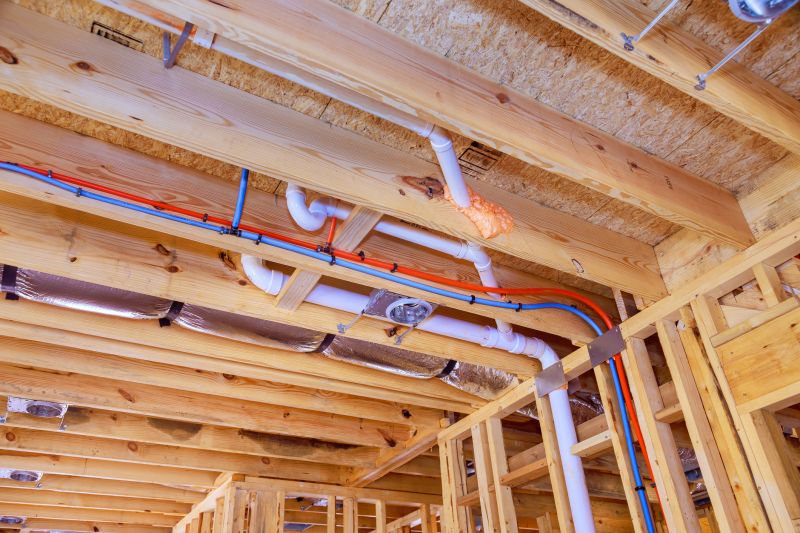


Use consistent comparison criteria across local contractors to clearly define scope, verify experience, and set expectations in writing.
- Scope Definition - Clearly outline the specific plumbing relocation tasks required, including areas to be rerouted or modified.
- Material and Fixture Specifications - Identify the types of pipes, fittings, and fixtures involved in the relocation process.
- Experience and Expertise - Verify that the service providers have relevant experience with plumbing modifications in similar building types.
- Worksite Assessment - Ensure the contractors evaluate the existing plumbing layout and identify potential challenges before beginning work.
- Written Agreement - Establish a detailed scope of work and expectations in a written agreement to prevent misunderstandings.
When evaluating contractors for plumbing relocation projects, it’s important to consider their experience with similar types of work. Homeowners should inquire about the scope of past projects to ensure the service providers have handled relocations comparable in complexity and scale. A contractor’s familiarity with the specific challenges involved in rerouting plumbing-such as working within existing structures or navigating building codes-can influence the quality and reliability of the work. Reviewing a contractor’s portfolio or asking for references related to similar projects can help gauge their practical experience and ensure they are well-versed in the requirements of plumbing relocations.
A clear, written scope of work is essential for aligning expectations and avoiding misunderstandings. Homeowners should seek detailed descriptions of the work involved, including the specific tasks, materials to be used, and any assumptions made about the project. An explicit scope helps ensure that both parties have a shared understanding of what the project entails, which is crucial for evaluating different service providers. When comparing options, look for providers who can articulate their scope clearly and comprehensively, as this reflects their professionalism and attention to detail.
Verification basics involve confirming that a contractor has the necessary background to perform the work effectively. This includes checking their experience with similar projects, reviewing references or case histories, and verifying their familiarity with local building codes and standards relevant to plumbing relocations. Homeowners should also confirm that the contractor understands the existing plumbing system and has a methodical plan for executing the relocation. These verification steps help ensure that the chosen service providers are qualified to handle the specific demands of the project.
Evaluating options without focusing on prices involves assessing the quality of proposals, the clarity of scope, and the experience of the service providers. Homeowners can compare how well each contractor understands the project’s requirements and whether their proposed approach aligns with the homeowner’s expectations. It’s also helpful to consider how thoroughly each contractor verifies project details and communicates their plan in writing. By focusing on these aspects, homeowners can make informed decisions based on professionalism, clarity, and experience, leading to a smoother and more predictable plumbing relocation process.
Ask contractors to provide written scope details to ensure clear understanding and consistent project expectations.
- Experience and Expertise - What relevant experience do local contractors have with plumbing relocation projects of similar scope?
- Scope of Work - How clearly do contractors define the specific tasks and responsibilities involved in the relocation?
- Materials and Methods - What materials and techniques do service providers plan to use, and how do they compare?
- Project Expectations - How do local contractors outline the expected outcomes and potential challenges in writing?
- Communication and Clarification - What questions can be asked to ensure the scope and process are fully understood before work begins?
What should I consider when choosing a contractor for plumbing relocation? It's important to compare local contractors based on their experience with similar projects, verify their reputation, and ensure they clearly define the scope of work in writing.
How can I verify a contractor’s experience with plumbing relocation? You can review their past work, ask for references, and confirm that they have handled projects similar in size and complexity to your needs.
What details should be included in a written scope of work? A comprehensive scope should specify the work to be performed, materials to be used, project milestones, and any warranties or guarantees offered.
Why is it important to compare multiple contractors for plumbing relocation? Comparing different service providers helps ensure you find a contractor with the appropriate experience, reputation, and approach that aligns with your project requirements.
How can I ensure clear communication with a contractor about my plumbing relocation project? Clearly outline your expectations, ask questions about their process, and request written documentation of all agreed-upon details before work begins.
What questions should I ask a contractor before hiring for plumbing relocation? Inquire about their experience with similar projects, request references, discuss the scope of work, and confirm how they handle unforeseen issues or changes during the project.
This page has highlighted the importance of understanding your plumbing relocation needs, clearly defining the scope of work, and verifying the experience of potential service providers. It also emphasizes the value of putting agreements in writing to set clear expectations. By exploring these key points, visitors can better navigate the process of selecting a contractor who aligns with their project requirements.
Using the quote form provides a straightforward way to compare local contractors specializing in plumbing relocation. It enables visitors to gather information and connect with service providers who can handle the job, helping to inform decision-making without the need for commitments or direct outreach.